
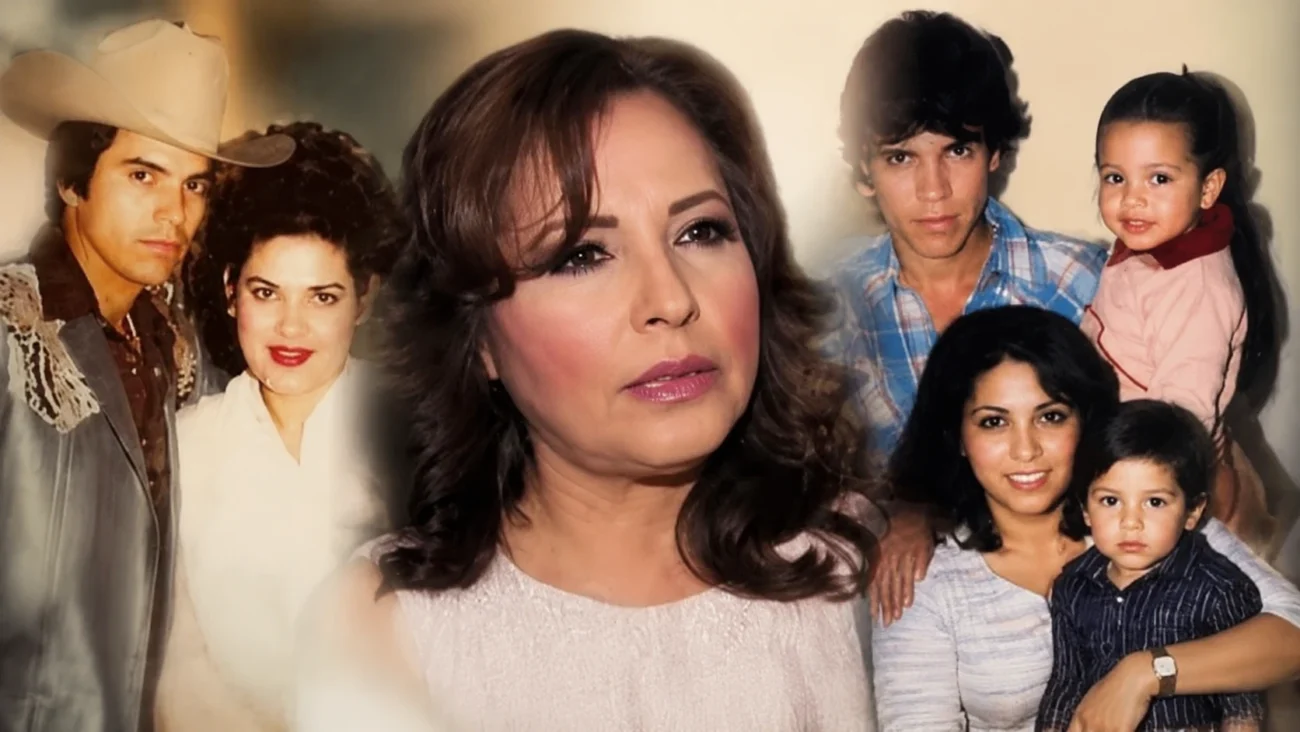
Marisela Vallejos Felix has lived a life intertwined with two of the most notable figures in regional Mexican music history. She is widely known as the widow of Chalino Sánchez, the legendary Sinaloa-born singer whose corridos captured the raw stories of migration, hardship, and survival, and the mother of Adán Sánchez, who rose to fame as a teen singer before his untimely death. Her name comes up often in searches not because of her own public career but because she has been a central figure in navigating the family legacy, protecting her children, and managing the complex aftermath of fame and tragedy. Her story is one of resilience, discretion, and the quiet influence of a woman who lived through extraordinary circumstances.
Early Life and Family Background
Marisela Vallejos Felix was born in Mexicali, Mexico, into a modest household. Little is publicly documented about her early childhood, education, or family beyond general accounts from interviews and reporting tied to her children. What is clear is that she moved to Southern California as a young woman, working in everyday jobs, including positions in local factories, to support herself and her family. Her life prior to marriage was defined by ordinary challenges—immigrant work, community networks, and the pursuit of stability in a new environment.
It was in this context of ordinary effort and ambition that she met Rosalino “Chalino” Sánchez Félix. While Chalino had already endured a difficult upbringing marked by poverty and hardship in Sinaloa, the two built a life together in Southern California, focused on family and survival. Their early life together was largely private, away from the spotlight that would later engulf them both.
Marriage to Chalino Sánchez
Marisela and Chalino married in the early 1980s, with sources suggesting the year 1983, though some later accounts cite 1984. Their union brought two children: Adán, born in 1984, and Cynthia, whose birth year is less widely documented. Their marriage lasted until Chalino’s murder in 1992. During this period, Chalino began establishing himself as a singer of regional Mexican corridos, blending stories of real-life violence and borderland experience into his music. Marisela’s role during these years was largely private, focused on raising their children and maintaining a household amid the uncertainty of Chalino’s work, which often brought both income and risk.
The couple’s life together was characterized by both ordinary domesticity and the increasing tension that came with Chalino’s rising recognition in Southern California. Marisela managed household responsibilities and her children’s care while Chalino built a reputation in the corrido scene. Her experience demonstrates the often overlooked support structures behind musicians’ careers, particularly for women in immigrant families.
Chalino Sánchez’s Career and Tragic Death
Chalino’s voice became synonymous with authenticity in the narcocorrido genre. Unlike mainstream artists, he built his career through cassette recordings, local performances, and commissioned songs that told the personal stories of fans and community members. His music was raw and unpolished, resonating with listeners because it mirrored the life experiences they themselves faced.
Tragically, Chalino’s growing fame coincided with danger. On May 15, 1992, following a performance in Culiacán, Sinaloa, Chalino was murdered, shot twice in the back of the head. The circumstances surrounding his death remain unclear, contributing to the mythos around his life and career. For Marisela, his death was deeply personal, leaving her a widow with two young children and no clear path for financial stability, given that Chalino’s recording contracts did not provide the family with royalties. Her experience highlights the real-world consequences of fame when combined with limited legal protection in the music industry.
Raising Adán Sánchez
After Chalino’s death, Marisela took on the responsibility of raising their children alone, particularly Adán, who was just eight years old at the time. She guided him through grief while also nurturing his musical talents. Adán would eventually follow in his father’s footsteps, performing songs that honored his father’s legacy but also establishing his own identity with a more romantic and youth-oriented repertoire.
Marisela was directly involved in shaping Adán’s early career, carefully selecting the types of songs he recorded to avoid perpetuating the violent narratives common in his father’s catalog. She also oversaw practical matters, including contracts and appearances, ensuring that her son’s earnings supported the family while maintaining his safety and well-being. Her decisions were driven by a mix of parental care, practical foresight, and protective instincts formed through her own experience of loss and financial vulnerability.
Adán Sánchez’s Rise and Untimely Death
Adán’s career gained momentum as he performed for increasingly larger audiences and signed with record labels. He became a prominent figure in regional Mexican music, particularly among younger fans, while carrying the weight of being Chalino’s son. Marisela remained involved in his career decisions, guiding him through the complexities of the entertainment industry.
Tragically, Adán died on March 27, 2004, at the age of 19, in a car accident in Sinaloa. Reports indicated that the vehicle he was riding in suffered a tire blowout, resulting in a fatal crash. This second major loss placed Marisela in an unprecedented position: she had lost both her husband and her son within little more than a decade, each under highly publicized circumstances. Her experience underscores the intersection of personal grief and public scrutiny, as fans mourned alongside her while the media examined every aspect of her family’s story.
Protecting the Family Legacy
Following Adán’s death, Marisela took active steps to protect her family’s legacy. She worked to secure legal rights over her son’s name and image, in part to prevent unauthorized merchandise or exploitation. She publicly addressed the disparities in profit from Chalino’s music catalog, emphasizing that while others had benefited from the family’s work, her family had not always been included.
Marisela’s efforts to safeguard her family’s intellectual property demonstrate her pragmatism and resilience. Her decisions ensured that she retained some control over how Chalino and Adán were represented posthumously, protecting both their legacies and the family’s interests. This aspect of her life illustrates a strong, strategic approach to family stewardship in the context of a music industry that often overlooks the rights of surviving relatives.
Public Misconceptions and Privacy
Marisela Vallejos Felix is often the subject of misinformation, particularly regarding her age, financial status, and current life. Reports vary, and many online profiles provide unsourced or conflicting details. Verified reporting indicates that she was 45 in 2004, but her exact birthdate has not been publicly confirmed. Similarly, while her children’s careers brought income, there is no verified evidence of significant personal wealth derived from Chalino’s posthumous fame.
Despite her indirect fame, Marisela has largely maintained privacy regarding her personal life. She has not pursued a public career, and she continues to avoid media exposure, choosing instead to focus on family matters and legacy protection. Her discretion contrasts with the high visibility of Chalino and Adán, reflecting her priorities and the protective role she assumed over the years.
Cultural Significance
Marisela’s significance extends beyond her familial connections. She represents the human dimension behind a family central to the evolution of regional Mexican music. Her story provides insight into how families navigate fame, danger, and loss, particularly within immigrant communities in Southern California. Her experiences illustrate the challenges women face in managing both domestic responsibilities and complex financial and legal matters in high-profile cultural contexts.
Her presence in interviews and reporting emphasizes the interplay between public fascination and private resilience. Through careful management of her children’s careers and protection of family rights, she has contributed to sustaining the legacy of two influential musical figures while preserving the family’s dignity and safety.
Where Marisela Vallejos Felix Is Now
Current details about Marisela’s life are scarce, reflecting her choice to maintain privacy. She continues to reside in Southern California, focusing on family and the protection of her children’s and husband’s legacies. Public records and reliable reporting confirm that she is alive but provide little additional information about her day-to-day life, social engagements, or private pursuits. Her story remains largely defined by her role as a guardian of family history and legacy.
Marisela’s discretion has allowed her to avoid the pitfalls of public scrutiny that so often accompany celebrity families. By choosing privacy over visibility, she has maintained control over what is shared and protected the memory of her family in a way that aligns with her values.
Frequently Asked Questions
Who is Marisela Vallejos Felix?
Marisela Vallejos Felix is the widow of Chalino Sánchez, a pioneering Mexican corrido singer, and the mother of Adán Sánchez, who also became a notable singer. She is recognized primarily for her role in raising her children and managing the family legacy after the deaths of her husband and son.
Was Marisela married to Chalino Sánchez?
Yes, Marisela was married to Chalino Sánchez in the early 1980s. They had two children together and remained married until Chalino’s murder in 1992.
How many children does Marisela have?
She has two children, Adán Sánchez and Cynthia Sánchez. Adán pursued a career in music before his death in 2004, while Cynthia has maintained a private life.
Did Marisela inherit Chalino’s music royalties?
Reports indicate that Chalino’s recording contracts did not provide royalties to his family, leaving Marisela responsible for managing the family’s financial and legal interests independently.
Is Marisela Vallejos Felix still alive?
Yes, she is reported to be alive and living privately in Southern California, though she maintains a low profile and limited public exposure.
Why is Marisela significant in Mexican music history?
While not a performer herself, Marisela has been instrumental in preserving and protecting the legacies of Chalino and Adán Sánchez, ensuring their contributions to regional Mexican music remain respected and safeguarded.
What has Marisela said publicly about her family?
In interviews, she has spoken about the challenges of raising her children alone, protecting their rights, and managing grief while navigating public scrutiny. Her statements emphasize resilience and practical care for her family’s well-being.
Conclusion
Marisela Vallejos Felix stands as a figure of quiet strength in a narrative often dominated by fame, tragedy, and public spectacle. Her life reflects resilience, strategic care, and the protective instincts of a mother and widow navigating extraordinary circumstances. She has managed to safeguard her family’s legacy while maintaining privacy, a feat that requires both resolve and foresight.
Her story adds depth to the legends of Chalino and Adán Sánchez, reminding audiences that behind the music, behind the myth, are real people making choices that affect survival, dignity, and continuity. Marisela’s experience illustrates the enduring impact of family stewardship in the face of grief and public fascination.
Through her careful management and personal discretion, she continues to influence how the Sánchez legacy is remembered. In a world fascinated by the drama surrounding their lives, Marisela represents the often unseen but essential presence that anchors a family, maintains order, and honors the memory of those lost.
