
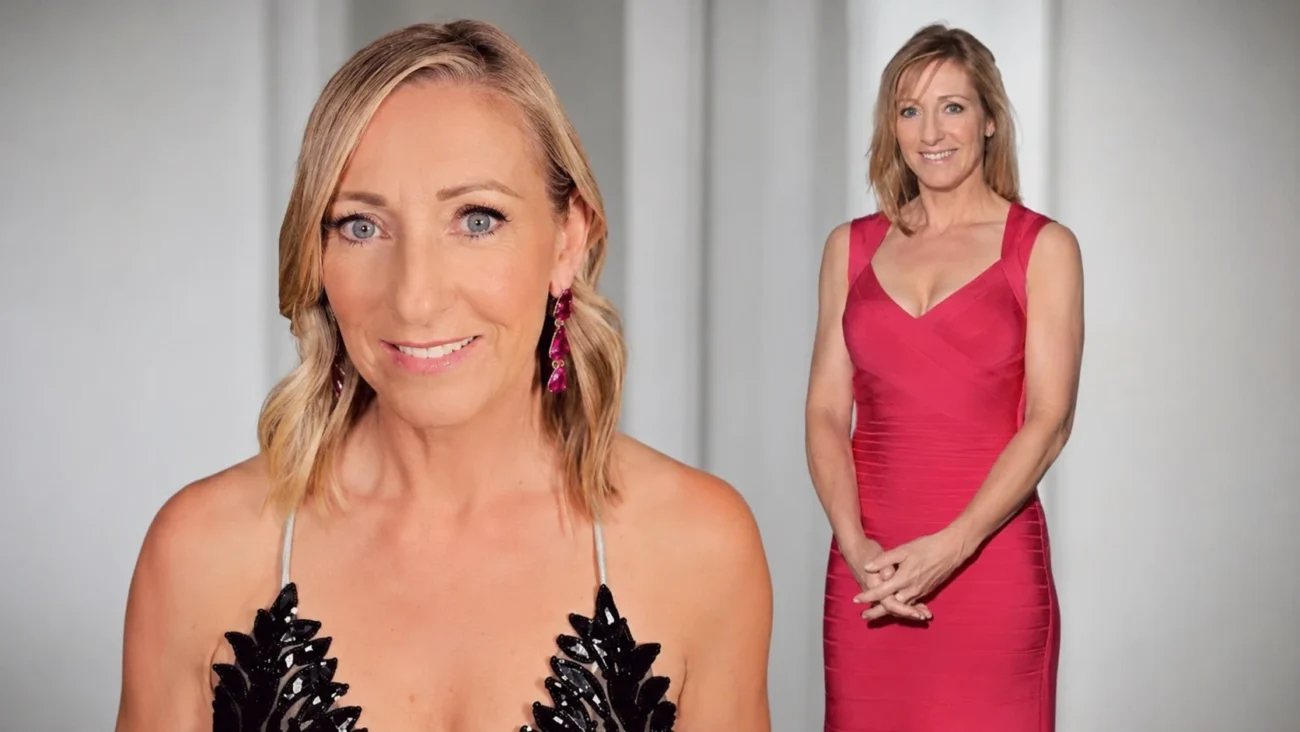
For years, football fans in Britain have seen Vicky Gomersall in moments that matter. She has appeared on television during transfer deadline chaos, breaking football stories, emotional tributes, title races, and tense post-match debates. Yet unlike many television personalities who turn fame into spectacle, Gomersall has built her reputation quietly, through consistency, professionalism, and a style that feels grounded rather than performative.
That steady presence is exactly why people search for her. Viewers recognize her instantly from Sky Sports News and football coverage, but many know surprisingly little about the woman behind the studio desk. Questions about her background, family, age, career path, and life away from television continue to follow her online. The interest comes partly from familiarity and partly from curiosity about someone who has stayed visible in British sports media for so long without becoming tabloid-driven.
Her career tells a larger story about modern sports broadcasting. Gomersall entered television at a time when sports news channels were becoming part of everyday football culture in the UK. She remained relevant through major shifts in media, including the rise of digital football coverage, podcasts, social media, and club-owned content. Through all of it, she has managed to keep credibility intact in a business that can often reward noise over substance.
Early Life and Family
Vicky Gomersall was born as Victoria Charlotte Gomersall and is widely reported to have been born on December 31, 1971, in Cheltenham, Gloucestershire, England. Although some online biographies present those details as definitive, much of the publicly available information about her early life comes from media directories and repeated biography references rather than lengthy personal interviews. Gomersall herself has generally kept the private parts of her upbringing out of public discussion.
She grew up in England during a period when sports broadcasting still felt heavily male-dominated, especially football coverage. That environment shaped many women who later entered sports journalism because they often had to prove credibility in ways male broadcasters did not. The truth is, Gomersall’s generation of presenters helped normalize the idea that women belonged naturally in football discussion rather than appearing as outsiders invited temporarily into the conversation.
Publicly available information suggests she attended Cheltenham Bournside School before later studying English and drama. Several professional profile references also indicate that she trained as a teacher before moving into journalism and broadcasting. That educational background became an important part of her identity later because she frequently spoke about mentoring younger people and helping athletes develop confidence in media settings.
What’s surprising is how little she has tried to mythologize her beginnings. Many television personalities build entire public brands around childhood stories or dramatic struggles, but Gomersall has usually allowed her work to speak for itself. That restraint has made her seem more authentic to many viewers, particularly sports audiences who often distrust over-managed celebrity images.
Education and Early Ambitions
Before becoming known as a sports presenter, Gomersall reportedly worked as a teacher. That detail may sound unusual in modern broadcasting careers, but it helps explain some of the qualities viewers later associated with her on television. Teaching develops communication skills, patience, timing, and the ability to explain information clearly under pressure, all traits that translate naturally into live broadcasting.
Her studies in English and drama also fit the path she eventually followed. Sports television demands more than simply reading headlines from an autocue. Presenters need confidence speaking live, strong listening skills, emotional control during difficult interviews, and enough personality to connect with viewers without overwhelming the story itself. Gomersall’s background appears to have prepared her well for that balance.
At the same time, football culture in Britain was changing rapidly during the late 1990s and early 2000s. Sky Sports had become deeply connected with Premier League broadcasting, and sports news channels were turning football coverage into an around-the-clock business. Presenters were no longer simply reading scores; they were becoming familiar personalities within football culture itself.
But here’s the thing. Breaking into that environment was not easy for women at the time. Female broadcasters in sports media often faced skepticism that had little to do with actual ability. Gomersall later acknowledged publicly that she had been judged on gender during parts of her career, a reality shared by many women working in football television during that era.
Moving Into Broadcasting
Gomersall’s broadcasting career began with regional reporting work around the North West of England. That period proved important because local reporting forces journalists to become adaptable very quickly. A regional sports reporter may cover football one day, athletics the next, and community stories after that. The work tends to be practical rather than glamorous, but it teaches discipline and fast decision-making.
Her move to Sky Sports News came in 2005, marking the point when she became nationally visible. Sky Sports News was already a major force in British sports broadcasting by then, especially among football fans. The channel’s format demanded constant attention to breaking developments, live updates, interviews, injury reports, transfer speculation, and post-match reaction.
Presenting on rolling sports news television requires a very particular skill set. Unlike long-form documentaries or scheduled interview shows, live sports news moves rapidly and often unpredictably. Presenters must absorb information instantly while remaining calm on camera. They also need enough authority to manage pundits, reporters, producers, and live guests at the same time.
Gomersall adapted to that environment successfully because her style matched the channel’s needs. She was measured rather than theatrical, informed without sounding forced, and capable of shifting tone depending on the story. Those qualities helped her remain relevant even as broadcasting styles around her evolved.
Becoming a Familiar Face on Sky Sports News
Over time, Gomersall became closely associated with Sky Sports News itself. Football viewers who watched the channel regularly during the 2000s and 2010s grew used to seeing her during major sports stories and live broadcasts. That visibility created a kind of trust between presenter and audience that cannot easily be manufactured.
One reason she connected with viewers was that she rarely tried to dominate coverage. Sports broadcasting can sometimes drift into personality-driven television where presenters become louder than the actual story. Gomersall generally avoided that approach. Her work focused more on clarity, pacing, and helping conversations flow naturally.
She also became known for handling emotional stories with care. Sports news is not always about celebration or entertainment. Broadcasters sometimes cover deaths, tragedies, serious injuries, or major controversies that affect clubs and communities deeply. Gomersall showed an ability to shift tone appropriately without sounding artificial.
Not many people know this, but one of the assignments she later described as especially memorable involved covering the death of Liverpool legend Emlyn Hughes in 2004. As a Liverpool supporter herself, the story carried emotional weight. She spoke later about interviewing former Liverpool players during that period and described feeling honored to handle such coverage.
Her Connection to Football and Liverpool FC
Gomersall’s connection to football has always felt genuine rather than manufactured for television. Publicly, she has long been associated with Liverpool Football Club as a supporter, something that became widely known through interviews and broadcasting references over the years. In football media, authenticity matters because audiences can usually tell when presenters are pretending enthusiasm for the sport.
That connection to Liverpool has occasionally shaped her work in interesting ways. In recent years, she hosted discussion content connected to Liverpool FC, including football conversations involving senior club figures. Those appearances showed how trusted broadcasters can bridge the gap between formal club media and traditional journalism.
At the same time, she has generally avoided becoming overtly partisan on-air. That balance matters in British football television because audiences expect presenters to remain fair even when personal loyalties are known publicly. Gomersall managed to maintain credibility across different fanbases largely because viewers saw professionalism first.
Football also helped shape her broadcasting identity more broadly. The Premier League era transformed sports media into a faster, more commercially intense business, and presenters had to keep pace with that shift. Gomersall remained part of the conversation because she adapted without losing the calmer style that made viewers comfortable watching her in the first place.
Work Beyond Traditional Television
As sports media expanded beyond conventional television formats, Gomersall’s work also evolved. She became involved in football discussion shows, podcasts, and digital media conversations tied to Sky Sports coverage. That transition reflected wider changes in how audiences consumed football content.
Modern football fans no longer rely on a single television bulletin for information. They move between live broadcasts, podcasts, social clips, club channels, and online discussions throughout the week. Broadcasters who built careers in traditional television had to learn how to remain relevant across multiple platforms.
Gomersall handled that shift carefully. Rather than reinventing herself completely, she brought the same steady style into newer formats. Podcasts and football discussion shows suited her because they allowed more conversational depth than rolling news television typically permits.
Her appearances alongside journalists and football analysts also demonstrated another strength: she listened well. That sounds simple, but strong interviewers and hosts understand how to guide discussions without interrupting constantly. Gomersall often worked best in settings where thoughtful pacing mattered more than argument for the sake of spectacle.
Views on Women in Football
One of the clearest public statements Gomersall made about football culture came during discussions surrounding Chelsea manager Emma Hayes. In a widely discussed Sky Sports opinion piece, she argued that women should be considered seriously for major football management jobs if their qualifications justified it.
The article stood out because it avoided slogan-heavy language. Instead, Gomersall connected the issue directly to personal experience and to conversations she had with her daughters about opportunity and ambition. She wrote openly about being judged based on gender during her own career, which gave the piece emotional honesty without turning it into self-promotion.
That perspective carried weight because it came from someone who had spent years inside football broadcasting rather than commenting from outside the industry. Women working in sports media often faced assumptions about competence, authority, or football knowledge that male colleagues did not encounter in the same way.
Here’s where it gets interesting. Gomersall never built her public identity entirely around gender politics, yet moments like that article revealed how deeply those experiences shaped her understanding of the industry. She spoke about the issue carefully, but the message was still clear: football should judge people on ability rather than outdated assumptions.
Charity Work and Mentoring
Away from studio broadcasting, Gomersall has also been involved in charity events and mentoring initiatives. Public records connect her to organizations including Cure For Dylan and Sparks Charity, both of which have involved fundraising events where she appeared as host or presenter.
That work aligns naturally with her earlier background in teaching. Mentoring younger athletes and public figures became another part of her professional life, especially through Sky-related programs designed to support rising sports talent. She publicly discussed helping young athletes develop confidence speaking to media during emotionally intense moments.
Media training may sound secondary compared with athletic performance, but it can shape public careers significantly. Young athletes are often expected to handle interviews immediately after wins, losses, or personal disappointments. Broadcasters like Gomersall understand how intimidating that environment can feel because they work inside it every day.
Her mentoring role also reinforced her reputation within the industry. Television careers can sometimes appear superficial from the outside, but long-term respect often comes from how professionals treat colleagues and younger talent behind the scenes. Gomersall’s public involvement in mentoring suggested she valued that side of broadcasting too.
Personal Life and Children
Gomersall has consistently maintained a careful boundary between public work and private family life. She is known publicly as a mother and has referenced her daughters in interviews and writing, particularly when discussing women’s opportunities in football and media. Beyond that, however, she has largely avoided turning her family into public content.
That privacy has led to frequent online speculation. Searches related to her husband, marriage, children, and relationships remain common, and many celebrity-style biography sites repeat claims that are difficult to verify independently. Some sites state she is married and list details about her children, but reliable primary sourcing for many of those claims remains limited.
The truth is, Gomersall appears to have made a deliberate choice to keep much of her domestic life away from publicity. In a media environment where personal exposure often becomes part of career branding, that decision stands out. It also explains why many viewers feel curious about her life outside broadcasting.
Protecting family privacy can be difficult for public figures connected with television. Social media has made audiences expect constant access to celebrities and broadcasters alike. Gomersall resisted much of that pressure, and her career never depended on sharing intimate details for attention.
Public Image and Reputation
Gomersall’s public image has remained remarkably stable over the years. She is generally viewed as professional, approachable, informed, and calm under pressure. Unlike some television personalities who become associated with controversy or public feuds, her reputation has largely been tied to reliability.
That consistency matters more than people sometimes realize. Sports media can be volatile, especially during periods of changing management, new broadcast formats, or shifting audience habits. Presenters who survive across decades often do so because producers and viewers trust them to handle live broadcasting responsibly.
She also benefited from timing. Gomersall entered national sports television during a period when football broadcasting itself was expanding rapidly in Britain. Sky Sports News became part of daily football culture, especially for Premier League fans, and presenters connected to that era became familiar figures across the country.
What’s surprising is how naturally she adapted to industry changes without chasing reinvention constantly. Some broadcasters try aggressively to become social media influencers or celebrity personalities as television changes. Gomersall instead stayed closer to journalism and presentation, which helped preserve credibility with traditional sports audiences.
Career Earnings and Estimated Net Worth
Like many television presenters in the UK, Gomersall’s exact salary and financial details are not publicly available. Various celebrity finance websites publish estimated net worth figures, but those estimates vary widely and often rely on assumptions rather than documented financial records.
What can be said with confidence is that she has enjoyed a long career connected to one of Britain’s largest sports broadcasters. Income sources likely include television presenting, event hosting, football-related appearances, podcast work, and other media activities connected to her professional reputation.
Still, readers should approach online net worth claims carefully. Public-facing salary transparency in British broadcasting is limited outside a small number of BBC disclosures. Without verified contracts or financial documents, precise wealth figures remain speculative.
Her career value may actually be measured better through longevity than headline numbers. Remaining visible and trusted in sports broadcasting across multiple decades represents a form of professional success that money estimates alone cannot fully capture.
Where Vicky Gomersall Is Now
As of 2026, Gomersall remains active in football media and sports broadcasting. She continues to appear in football-related discussion formats and remains connected with Sky Sports programming. Her ongoing work reflects how experienced broadcasters can continue evolving even as media habits change around them.
Modern sports broadcasting now stretches across television, podcasts, digital clips, social media, and club-produced interviews. Gomersall adapted to those shifts while maintaining the same professional identity that first made her recognizable to football audiences years ago.
She also remains respected among viewers who appreciate presenters capable of balancing authority with warmth. That combination has become harder to find in sports television, where louder personalities often dominate airtime. Gomersall built a different kind of career, one based more on trust than spectacle.
There is also a generational aspect to her continued relevance. Viewers who grew up watching Sky Sports News during the Premier League boom years still associate presenters like Gomersall with a particular era of football culture. That familiarity gives her a lasting place within British sports broadcasting history.
Frequently Asked Questions
Who is Vicky Gomersall?
Vicky Gomersall is a British sports journalist and television presenter best known for her long association with Sky Sports News. She became widely recognized through football coverage, live sports broadcasting, interviews, and discussion programs connected to Sky Sports.
Her reputation comes largely from her calm presenting style and long-running presence within British football media. Over time, she also became involved in podcasts, mentoring initiatives, and charity hosting work.
How old is Vicky Gomersall?
Vicky Gomersall is widely reported to have been born on December 31, 1971. Based on those commonly published details, she would be 54 years old in 2026.
That said, some personal details about her life are not heavily documented through official broadcaster biographies. Much of the information repeated online comes from public directories and secondary biography references.
Is Vicky Gomersall married?
Gomersall has kept most details about her personal relationships private. Some online biography websites state that she is married, but reliable public confirmation remains limited.
She is publicly known to be a mother and has spoken about her daughters in relation to women’s opportunities in football and broadcasting. Beyond that, she has generally avoided discussing family matters publicly.
What football team does Vicky Gomersall support?
Vicky Gomersall is publicly associated with Liverpool Football Club and has spoken openly about being a Liverpool supporter. That connection became well known through interviews and football-related broadcasting references over the years.
Despite her support for Liverpool, she maintained a professional broadcasting style on-air and was generally viewed as fair by wider football audiences.
Did Vicky Gomersall work as a teacher?
Yes, publicly available professional profile information and interviews indicate that Gomersall worked as a teacher before entering broadcasting. Her educational background reportedly included English and drama studies.
That experience later influenced her interest in mentoring younger athletes and helping people develop confidence in media settings.
What is Vicky Gomersall’s net worth?
There is no officially confirmed public figure for Vicky Gomersall’s net worth. Various celebrity finance websites publish estimates, but those figures should be treated cautiously because they are not supported by verified financial disclosures.
Her income likely comes from broadcasting, presenting, football-related media appearances, and event hosting connected to her long television career.
Conclusion
Vicky Gomersall built her career in a part of television that rarely slows down. Sports news moves quickly, football culture changes constantly, and broadcasting trends can shift almost overnight. Yet she remained part of the conversation because audiences trusted her to handle the work professionally.
Her story is less about celebrity reinvention and more about steady credibility. From regional reporting in the North West to becoming one of the recognizable faces of Sky Sports News, she earned visibility gradually rather than chasing attention aggressively. That approach gave her career unusual stability in an industry often defined by turnover.
She also represents an important generation of women in sports broadcasting. Broadcasters like Gomersall helped normalize female authority within football media at a time when audiences and institutions were still adjusting to that shift. She did it without turning every appearance into a statement about gender, which may have made the impact even stronger.
Today, viewers searching for Vicky Gomersall are usually searching for more than basic biography facts. They are trying to understand why someone who rarely courts publicity has remained such a familiar and respected presence in British sports broadcasting. The answer lies in the qualities that defined her career from the start: professionalism, clarity, warmth, and a genuine connection to the world of sport.
