
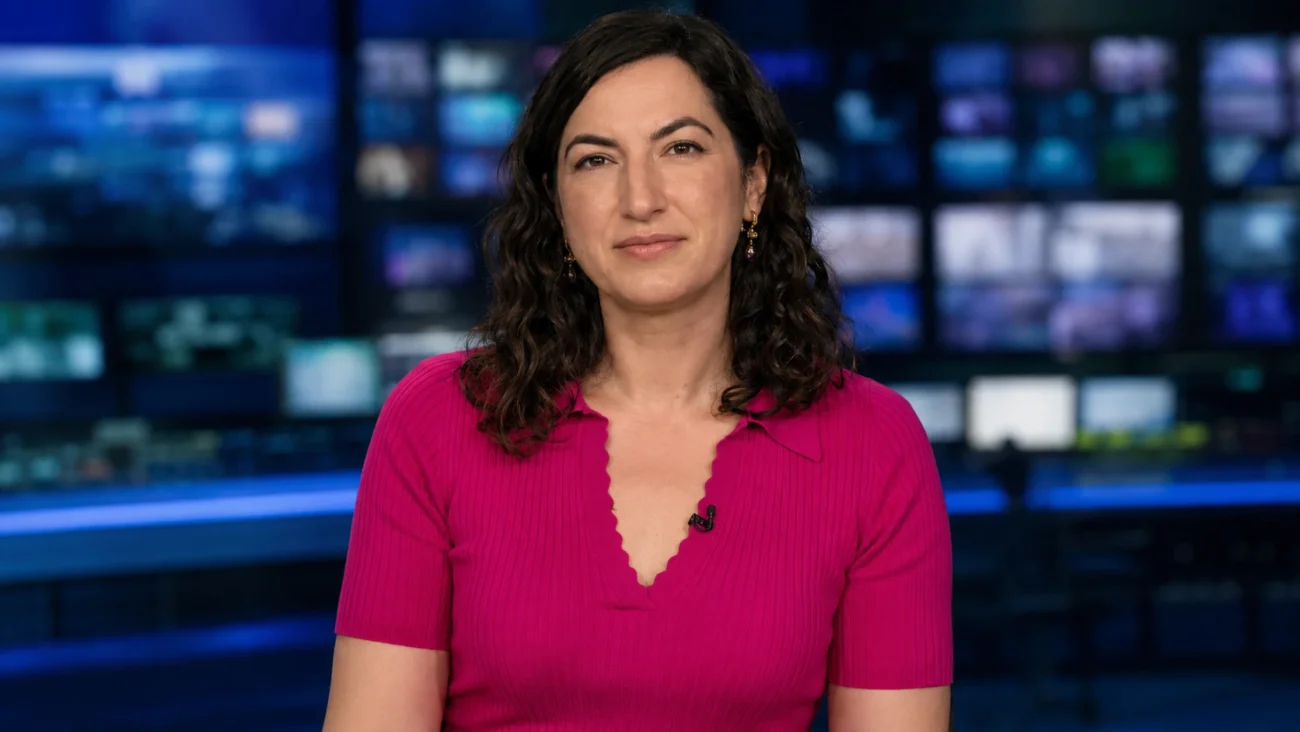
Yasmin Bodalbhai is a British broadcast journalist and presenter best known for her work with ITV News, where she has built a reputation for clear reporting, calm delivery, and stories that often place ordinary people at the centre of public issues. Viewers may know her from ITV’s regional and national news coverage, but her career is rooted in the demanding world of local journalism, where reporters learn quickly that every story has real people behind it. Her public profile has grown steadily, not through celebrity exposure, but through consistent work on air and in the field.
What makes Bodalbhai interesting is the balance she brings to her role. She is visible enough for viewers to search her name, yet private enough that much of her personal life remains outside the public record. That makes her a different kind of media figure from presenters whose family background, relationships, and lifestyle become part of the story. In her case, the most reliable biography is found in the work itself: regional reporting, ITV News appearances, public-interest journalism, and industry recognition.
Her career also says something broader about British television news. Many viewers see only the polished minutes that appear on screen, but behind that are years of training, reporting, scripting, interviews, edits, live shots, and editorial judgment. Bodalbhai’s path reflects that craft. She has become known as a journalist who can handle human stories with care while still keeping the facts in view.
Who Is Yasmin Bodalbhai?
Yasmin Bodalbhai is a journalist, reporter, and presenter associated with ITV News in the United Kingdom. She has worked across regional and wider ITV output, with public records linking her strongly to ITV Central before her broader ITV News presence became more visible. Her work has included live reporting, studio presentation, public-interest features, health stories, community coverage, and interviews. She is also known for award-recognised reporting on children’s mental health services.
Unlike some television personalities, Bodalbhai does not appear to have built her public identity around private-life disclosure. Reliable information about her age, family, marital status, and personal finances is limited. That does not make her profile incomplete; it simply means the verified story is mainly professional. For a working journalist, that boundary is both normal and reasonable.
Search interest in her name often comes from viewers who have seen her on ITV and want to know more about the person behind the reports. They may be looking for her background, nationality, career route, awards, or current role. The clearest answer is that Bodalbhai is a trained broadcast journalist whose reputation has grown through steady newsroom work rather than publicity. Her career belongs to the practical, high-pressure side of television news.
Early Life and Family Background
Yasmin Bodalbhai’s early life has not been widely documented in reliable public sources. Details such as her exact birthplace, date of birth, parents, siblings, and childhood home are not clearly confirmed in the public record. That absence should not be filled with guesses, especially because journalists are entitled to keep family life separate from professional life. A careful biography has to respect what is known and what is not.
What can be said is that her later career suggests a strong academic and communication background. Broadcast journalism requires confidence with language, performance, deadlines, and public accountability. Reporters also need resilience, because the job often involves speaking with people at difficult or emotional moments. Bodalbhai’s work shows the kind of discipline usually shaped by both education and early newsroom experience.
Her name and media recognition have also placed her within conversations about British Asian representation in journalism. She won recognition at the Asian Media Awards, an event that celebrates media professionals from Asian backgrounds and their contribution to British public life. That recognition is meaningful, but it should not reduce her career to identity alone. The award was tied to reporting quality, public-interest work, and professional achievement.
Education and Training
Bodalbhai is publicly associated with formal journalism training, including broadcast journalism study. Her career path reflects the kind of preparation that helps reporters move from writing scripts and researching stories to presenting on camera. Television journalism is not only about being comfortable in front of an audience. It also demands judgment about what to include, what to leave out, and how to explain events without distortion.
Broadcast training is especially important in the ITV regional system. A reporter may need to film a package, interview a grieving family, write a short script, prepare a live update, and rework the story for a later bulletin. That environment rewards people who can stay composed while details change. Bodalbhai’s later work suggests she developed that versatility early in her career.
Her professional development appears to have followed a route familiar to many UK television journalists. She built experience through regional reporting before becoming more visible across wider ITV output. That route matters because regional newsrooms often give journalists a wide range of assignments very quickly. A reporter who succeeds there learns to treat every story seriously, whether it concerns a local family, a public service failure, a court case, or a national issue seen through a local lens.
Starting Out in Regional Journalism
Yasmin Bodalbhai’s public career is closely tied to ITV Central, the ITV regional news service covering the Midlands. Regional journalism is sometimes underestimated by viewers who associate prestige with national bulletins, but it is one of the hardest parts of the business. Reporters in regional newsrooms work close to the communities they cover. They are expected to understand local context while producing stories that can be understood by a broad audience.
At ITV Central, Bodalbhai developed as both a reporter and presenter. Her assignments covered the sort of varied material that defines regional news: public services, local politics, crime, community campaigns, weather disruption, health pressures, and human-interest stories. This is where many television journalists learn the full rhythm of the job. They cannot rely on a single specialist beat because the newsroom needs them to be ready for almost anything.
That breadth helped shape her public voice. Bodalbhai’s reporting style is direct, measured, and accessible, with a focus on the people affected by a story. She does not appear to seek attention at the expense of the subject. That restraint is one reason her work suits public-interest reporting, where the journalist’s role is to guide the viewer through complexity rather than dominate the story.
ITV Central and the Work That Built Her Reputation
ITV Central gave Bodalbhai the platform to build credibility with viewers and colleagues. The Midlands is a large and varied region, with major cities, rural communities, universities, hospitals, courts, industries, and local authorities. Covering that area requires a reporter to switch tone and subject quickly. A single week can involve a serious crime report, a health-service story, a political reaction, and a community feature.
Bodalbhai’s work during this period showed a particular interest in stories where public systems meet private hardship. That kind of journalism is not easy, because it asks vulnerable people to trust a reporter with sensitive details. It also requires careful handling of official responses, figures, timelines, and institutional language. The strongest regional reporting does not simply broadcast distress; it shows viewers why the distress exists and what questions should be asked.
Her recognition as a regional journalist grew from this body of work. Awards do not tell the whole story of a career, but they can mark moments when peers and industry judges see something of lasting value. In Bodalbhai’s case, the recognition pointed to journalism that went beyond daily coverage. It showed a reporter willing to spend time on stories that required listening, persistence, and editorial care.
Children’s Mental Health Reporting
One of the most important parts of Yasmin Bodalbhai’s public record is her reporting on children’s mental health services. Her ITV Central investigation into children in crisis examined whether young people and families were getting adequate support when they needed it most. The subject was difficult because it involved children, parents, stretched services, and the painful gap between need and access. It also arrived in a period when demand for mental health support had become a major public concern.
The investigation stood out because it was built around real families rather than abstract policy language. Parents described long waits, rejected referrals, pressure on schools, and the fear of watching a child deteriorate while help felt out of reach. Bodalbhai’s reporting placed those accounts within a wider system involving health services, charities, clinicians, and official responses. That is the kind of structure that gives emotional stories public weight.
This work helped explain why she was later recognised at the Asian Media Awards. It showed the central skill of public-service journalism: turning individual testimony into a clear account of a wider problem. The reporting did not need to shout to be powerful. Its strength came from giving families room to speak while holding institutions to the questions raised by their experiences.
Awards and Industry Recognition
Yasmin Bodalbhai won Regional Journalist of the Year at the 2021 Asian Media Awards. The award recognised her work as an ITV Central journalist, including her reporting on children’s mental health and other stories involving social justice and public accountability. For a regional journalist, that kind of recognition is significant because it acknowledges work that can easily be overshadowed by national headlines. It also reflects the value of reporting that stays close to communities.
Her professional profile has also been associated with the Royal Television Society, which is one of the most established organisations in British television. Recognition from such bodies matters because television journalism is a craft judged by accuracy, storytelling, fairness, and production skill. Viewers see the finished report, but industry peers understand the reporting process behind it. Bodalbhai’s awards and nominations suggest respect for both her on-screen work and her editorial judgment.
Awards should not be treated as the only proof of a journalist’s worth. Many strong reporters spend their careers doing difficult work without regular public recognition. Still, in Bodalbhai’s case, the awards help confirm what her career path already suggests. She has been seen by colleagues and industry observers as a serious journalist with a strong record in regional news.
Move Into Wider ITV News Work
After building her profile at ITV Central, Bodalbhai became more visible across ITV News output. Her work has appeared in wider national and London-facing contexts, including reports on health, transport, inquests, entertainment, and public safety. This shift reflects a natural progression for a journalist who has already proved herself in regional broadcasting. It also shows the trust editors place in her ability to handle different kinds of stories.
Moving from regional to wider ITV News work changes the scale but not the core discipline. A reporter still needs to establish facts quickly, speak clearly, and judge tone. What changes is the range of viewers and the pressure of stories that may sit within a larger national conversation. Bodalbhai’s career suggests she has made that transition without losing the grounded style shaped by regional reporting.
Her more recent ITV work shows versatility. She has handled serious public-interest reporting, emotional health stories, culture interviews, and London news coverage. That range is useful in a modern newsroom, where journalists are often expected to move between platforms and formats. The ability to present, report, interview, and adapt remains one of her clearest professional strengths.
Reporting Style and On-Air Presence
Bodalbhai’s on-air style is calm, clear, and human. She does not appear to perform outrage or overstate drama, even when the story is serious. That restraint can be a strength in television news because viewers need confidence that the reporter is guiding them through facts rather than pushing them toward a reaction. Her delivery suits stories where trust and clarity matter.
Her reporting also tends to keep people at the centre of the subject. In health and social-issue stories, this matters because statistics alone rarely explain what a policy failure or service delay feels like. A strong reporter helps viewers understand the human consequence without losing sight of evidence. Bodalbhai’s best-known work reflects that balance.
There is also a practical quality to her journalism. She asks the viewer to understand what happened, who is affected, and why the issue matters now. That may sound simple, but it is often the hardest part of broadcast reporting. In a short package or live update, there is little room for confusion, and every sentence has to earn its place.
Public Image and Professional Reputation
Yasmin Bodalbhai’s public image is professional rather than celebrity-driven. She is recognisable to ITV viewers, but she has not built a public persona around lifestyle coverage, personal branding, or social gossip. That separation gives her profile a quieter authority. It also means readers searching for personal details may find less than they expect.
Her reputation rests on journalism, not spectacle. That distinction is increasingly valuable at a time when media figures are often judged by visibility as much as work. Bodalbhai’s career shows another model: steady reporting, clear presentation, and selective public exposure. She appears to let the stories carry the attention.
This approach can make biography writing harder, because there are fewer personal anecdotes to build around. But it also keeps the focus where it belongs. The most meaningful facts about Bodalbhai are not about speculation over her private life. They are about what she has reported, where she has worked, and why her journalism has earned recognition.
Personal Life, Marriage, and Family
Reliable public information about Yasmin Bodalbhai’s personal life is limited. Her marital status, partner, children, and close family details have not been clearly confirmed in trustworthy public sources. Because of that, any biography should avoid presenting claims about her relationships as fact. Privacy is especially important for journalists who are public through their work rather than through entertainment or political office.
This does not mean her personal story lacks depth. It simply means she has chosen not to make those details part of her public identity, or they have not been reported in a reliable way. Many journalists keep that boundary for safety, professionalism, and personal peace. For someone who covers sensitive stories, maintaining a private life outside the newsroom can be both practical and necessary.
Readers often search for these details because television creates familiarity. Seeing a journalist regularly on screen can make viewers feel they know them personally. But there is a difference between professional visibility and public ownership of someone’s private life. In Bodalbhai’s case, the fair approach is to acknowledge the interest while respecting the absence of confirmed information.
Net Worth, Salary, and Income Sources
There is no credible public record confirming Yasmin Bodalbhai’s exact net worth. Any figure attached to her name online should be treated as an estimate unless it is supported by reliable financial disclosure, verified reporting, or a direct statement. Working journalists in the UK usually earn income through employment contracts, presenting work, reporting duties, and related media assignments. But that does not allow anyone to calculate a precise personal fortune.
Salary estimates for television journalists vary widely depending on role, experience, employer, location, and whether the journalist is staff or freelance. ITV presenters and reporters can have very different pay structures depending on seniority and contract terms. Without confirmed information, it would be misleading to attach a specific number to Bodalbhai. A responsible profile should avoid pretending that generic salary ranges reveal her personal finances.
What can be said is that her main professional income is likely connected to journalism and broadcasting. Her career has included reporting, presenting, and television news production work. Awards and recognition can strengthen a journalist’s professional standing, but they do not automatically translate into a public net worth figure. The honest answer is that her net worth is not publicly verified.
What Yasmin Bodalbhai Is Doing Now
Yasmin Bodalbhai continues to be associated with ITV News as a presenter and reporter. Her recent public work places her across a range of stories, including London news, health features, interviews, inquests, and public-interest reports. That mix suggests she remains an active newsroom journalist rather than a figure known only for past achievements. Her career is still developing in front of viewers.
Her current role appears to combine the skills she built earlier at ITV Central. She can report from the field, present in studio contexts, and handle stories that require emotional intelligence. That combination is valuable because television news needs journalists who can move between breaking updates and carefully produced features. Bodalbhai’s career shows that she has earned that flexibility.
The next stage of her public profile will likely depend on continued visibility across ITV News output. If she takes on more regular presenting duties or leads further major investigations, wider recognition may follow. For now, she stands as a respected working journalist whose strongest biography remains tied to the stories she tells. That is a solid place to be in a profession where credibility matters more than noise.
Why Her Career Matters
Bodalbhai’s career matters because it reflects the continuing value of regional reporting in British journalism. Local and regional newsrooms often identify problems before they become national talking points. They hear from families, campaigners, schools, hospitals, councils, and police forces at close range. Journalists who work in that space learn to see how big issues affect daily life.
Her children’s mental health reporting is a good example. It took a national issue and made it visible through Midlands families who were trying to get help. The story mattered not because it was loud, but because it was close to the experience of many viewers. That is the sort of reporting that can make public systems easier to understand.
Her career also matters for viewers who want trustworthy journalism without theatricality. Bodalbhai’s public record suggests a reporter who values accuracy, restraint, and human context. In a media culture often pulled toward instant reaction, that is not a small thing. It is the foundation of serious broadcast work.
Frequently Asked Questions
Who is Yasmin Bodalbhai?
Yasmin Bodalbhai is a British broadcast journalist, presenter, and reporter best known for her work with ITV News. She previously built a strong public profile at ITV Central, where she worked on regional stories across the Midlands. Her reporting has covered health, public services, community issues, and human-interest stories.
She is also known for award-recognised journalism, especially her work on children’s mental health services. Her career has developed through regional and wider ITV reporting rather than celebrity media exposure. That makes her public profile mainly professional, with limited confirmed information about her private life.
What is Yasmin Bodalbhai famous for?
Yasmin Bodalbhai is best known for her ITV News work and her earlier reporting for ITV Central. One of her most recognised pieces of journalism examined whether children and families were getting proper access to mental health support. That investigation helped bring wider attention to a difficult public-service issue.
She is also known for winning Regional Journalist of the Year at the Asian Media Awards in 2021. The award recognised her work as a regional journalist and presenter. It helped confirm her standing as a serious reporter with a strong record in public-interest journalism.
How old is Yasmin Bodalbhai?
Yasmin Bodalbhai’s exact age has not been reliably confirmed in public sources. Some websites may offer estimates, but estimates should not be treated as verified facts. Unless Bodalbhai herself or a trusted source confirms her date of birth, her age should remain listed as unconfirmed.
This is common for working journalists who do not present themselves as celebrities. Public curiosity is understandable because she appears on television. Still, professional profiles should not invent personal details simply because readers search for them.
Is Yasmin Bodalbhai married?
There is no reliable public confirmation of Yasmin Bodalbhai’s marital status. Details about a husband, partner, children, or family life have not been clearly established in trustworthy public records. Because of that, claims about her relationships should be treated with caution.
Bodalbhai appears to keep her private life separate from her journalism. That choice is reasonable for someone whose public role involves reporting, presenting, and covering sensitive stories. The available record supports a professional biography rather than a personal-life profile.
What awards has Yasmin Bodalbhai won?
Yasmin Bodalbhai won Regional Journalist of the Year at the 2021 Asian Media Awards. The recognition was linked to her work for ITV Central, including reporting on children’s mental health and social justice issues. The award helped raise her public profile beyond regular ITV viewers.
She has also been associated with Royal Television Society recognition during her career. Such recognition matters because it comes from within the television industry. It reflects respect for reporting craft, editorial judgment, and on-screen work.
What is Yasmin Bodalbhai’s net worth?
Yasmin Bodalbhai’s net worth is not publicly verified. Any exact figure circulating online should be treated as an estimate unless it comes from a reliable financial source or direct disclosure. There is no strong public record that confirms her personal wealth.
Her income is likely connected to her work as a journalist, presenter, and reporter. However, television salaries vary widely based on contract, seniority, location, and role. Without confirmed details, it would be misleading to publish a specific net worth figure.
Where is Yasmin Bodalbhai now?
Yasmin Bodalbhai is currently associated with ITV News as a presenter and reporter. Her recent work has included a mix of London news, national stories, public-interest reports, and interviews. She remains active in broadcast journalism.
Her current role builds on her earlier experience at ITV Central. She continues to work in the kind of reporting that requires clarity, empathy, and accuracy. For viewers who see her on ITV, she represents a journalist shaped by regional reporting and trusted with wider newsroom responsibilities.
Conclusion
Yasmin Bodalbhai’s story is not a celebrity biography built on private revelations. It is the career of a broadcast journalist who earned visibility through reporting, presenting, and public-interest work. Her path from ITV Central to wider ITV News output shows the value of regional journalism as a training ground for trusted national voices.
What stands out most is the seriousness of the work attached to her name. Her reporting on children’s mental health services showed how television journalism can turn family experiences into a wider public conversation. That kind of work requires more than camera confidence. It requires patience, care, and editorial judgment.
The gaps in her public biography should be treated honestly. Her age, family life, marital status, and net worth are not clearly confirmed, and responsible writing should not turn uncertainty into false certainty. In an age of quick online profiles, that restraint matters.
Bodalbhai’s place in British television news rests on credibility rather than spectacle. She continues to represent the kind of journalist viewers rely on during both difficult stories and everyday news coverage. As her ITV career continues, the most meaningful updates will come through her reporting, not through rumor.
